The Evolution of World Clocks: From Sundials to Digital Displays


The Dawn of Timekeeping: Sundials
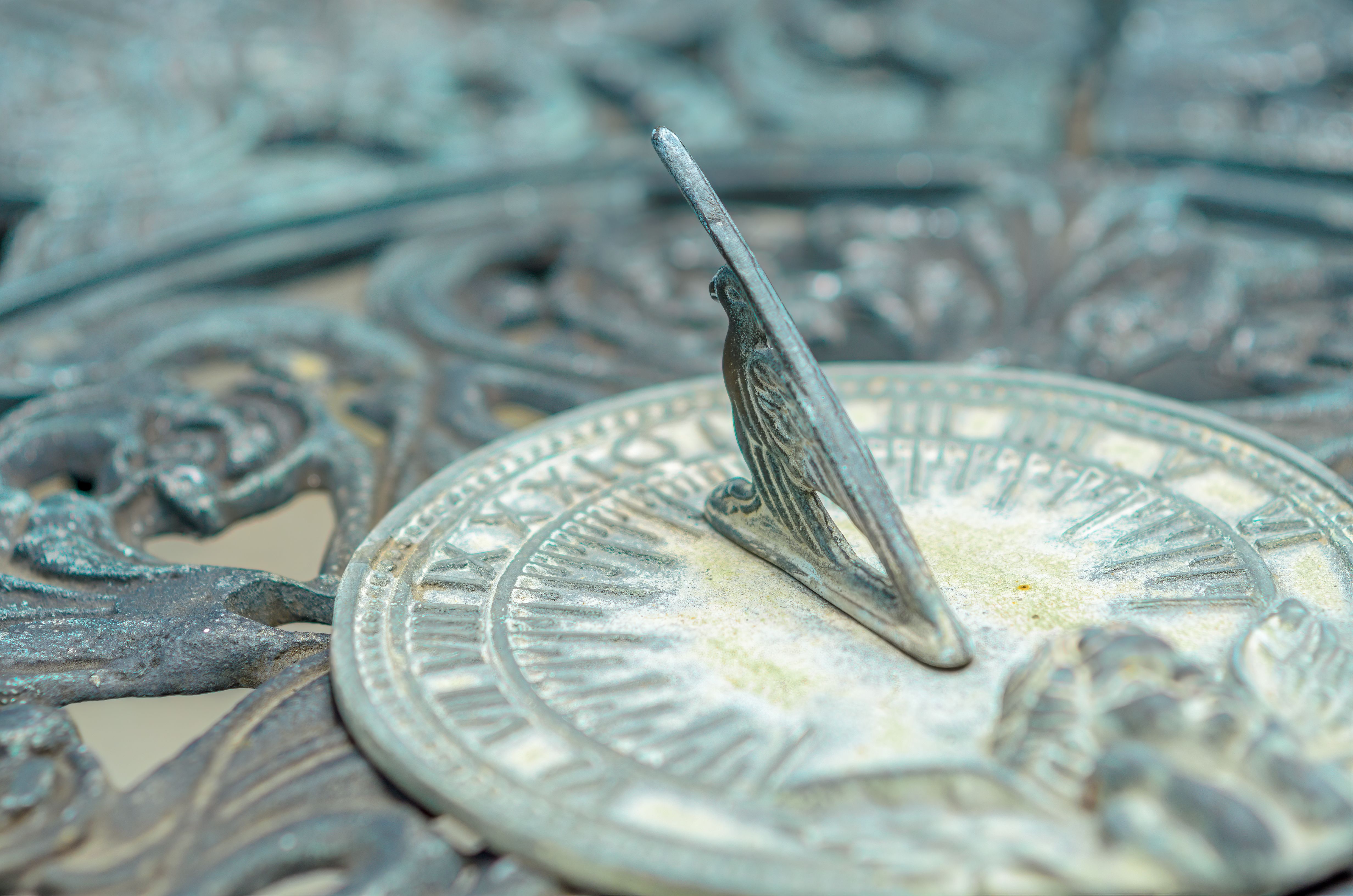
The journey of world clocks begins with the ancient sundial, one of the earliest devices used to measure time. Sundials relied on the position of the sun, casting a shadow on a flat surface marked with hour lines. This ingenious method allowed civilizations to track the passage of time during daylight hours.
Despite their simplicity, sundials had limitations. They couldn't function on cloudy days or at night, and their accuracy varied with seasons and geographic location. Nevertheless, sundials laid the groundwork for more advanced timekeeping instruments.
The Mechanical Revolution: Water Clocks and Beyond
As societies advanced, water clocks emerged as a more reliable alternative. These devices measured time based on the regulated flow of water from one container to another. Water clocks offered greater accuracy and could function day and night, overcoming the sundial's limitations.
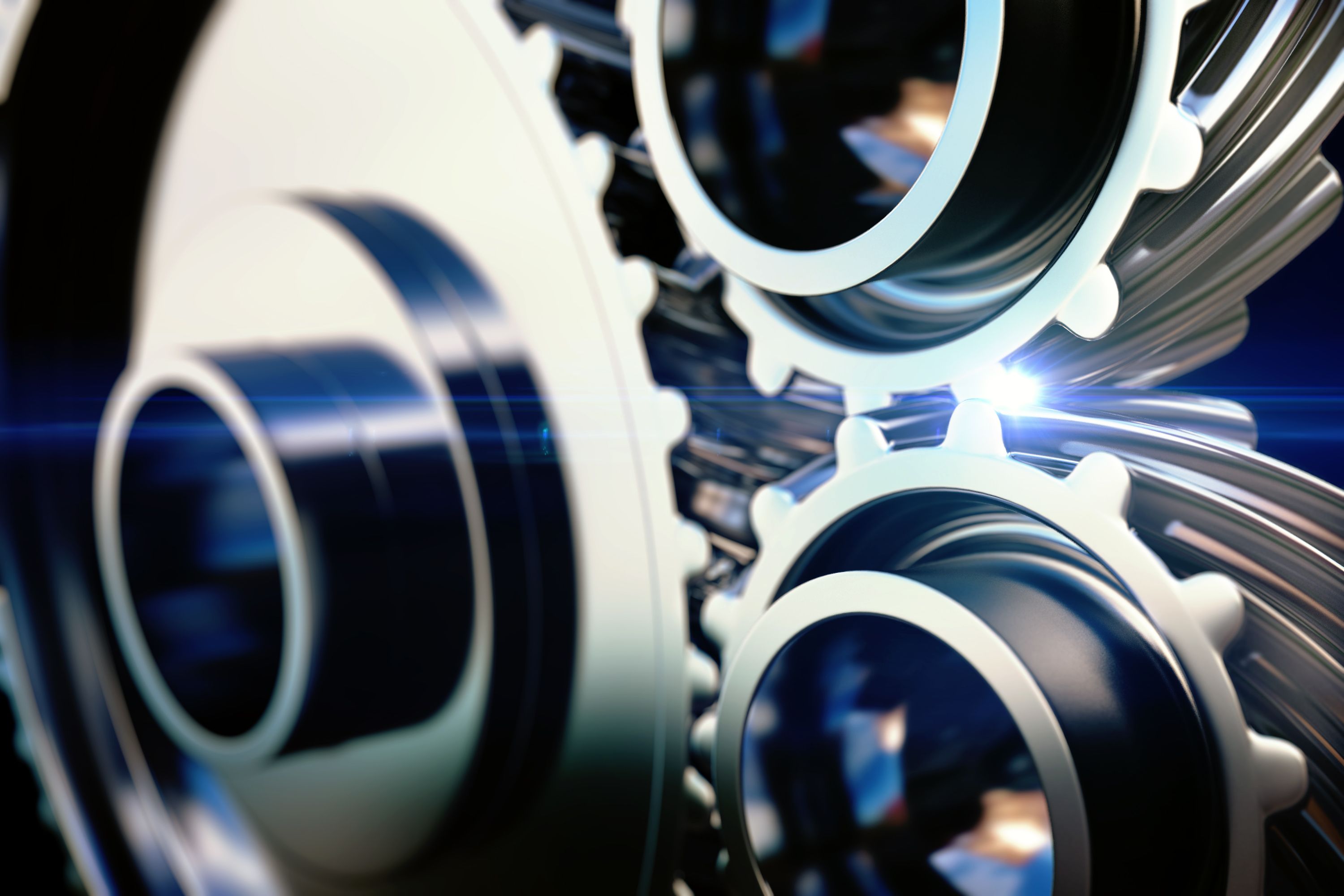
Subsequent innovations led to the development of mechanical clocks in medieval Europe. These clocks used gears and weights, marking a significant leap in timekeeping precision. By the 14th century, mechanical clocks had become a common feature in public spaces, symbolizing technological progress.
The Age of Precision: Pendulum Clocks
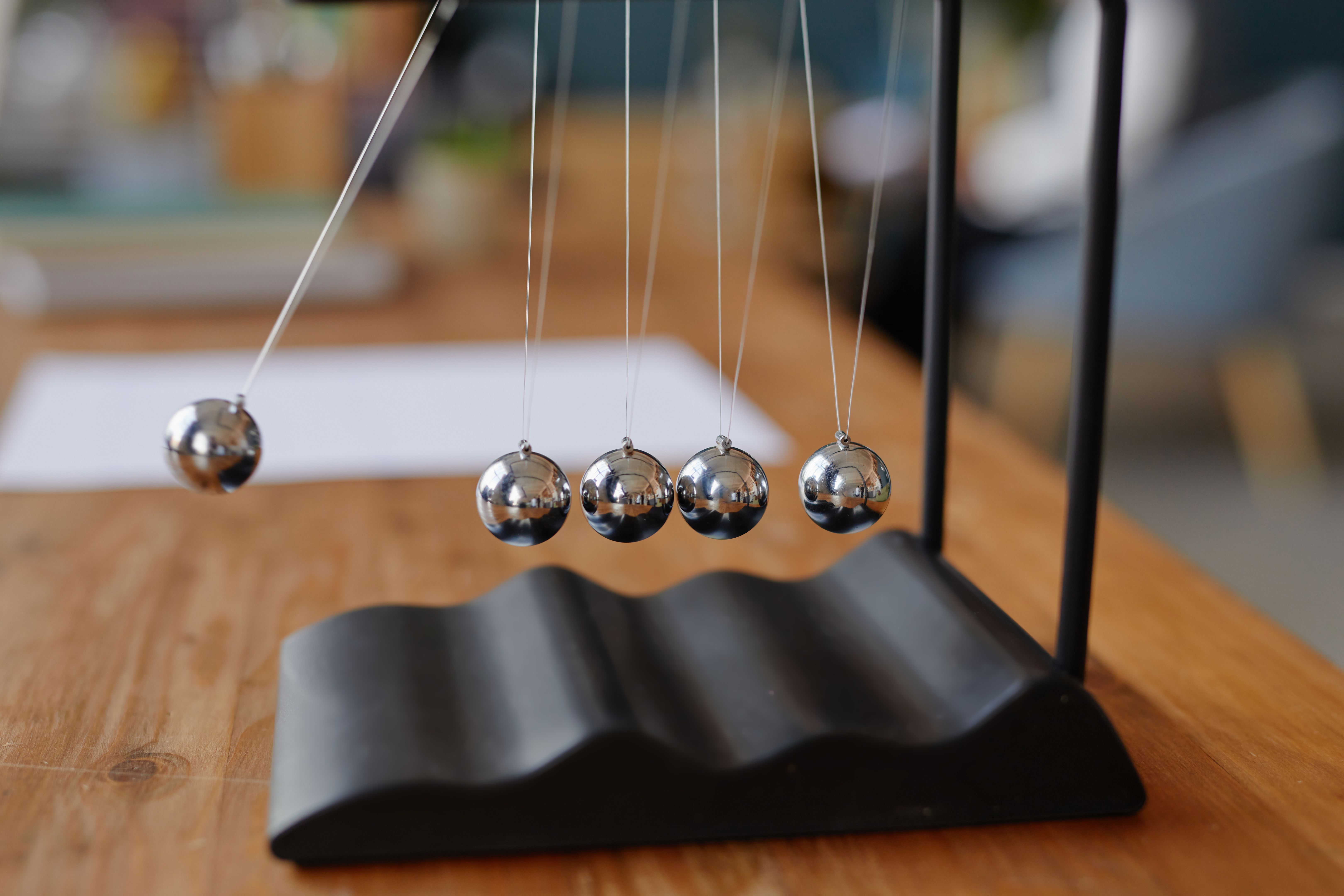
In the 17th century, the invention of the pendulum clock by Christiaan Huygens revolutionized timekeeping again. The pendulum's regular motion improved accuracy significantly, reducing time deviation to mere seconds a day. This innovation made pendulum clocks a staple in homes and institutions worldwide.
As the Industrial Revolution unfolded, pendulum clocks became even more refined, incorporating intricate designs and improved materials. These clocks remained dominant until the late 19th century, when new technologies began to emerge.
The Advent of Modern Timekeeping: Quartz Clocks
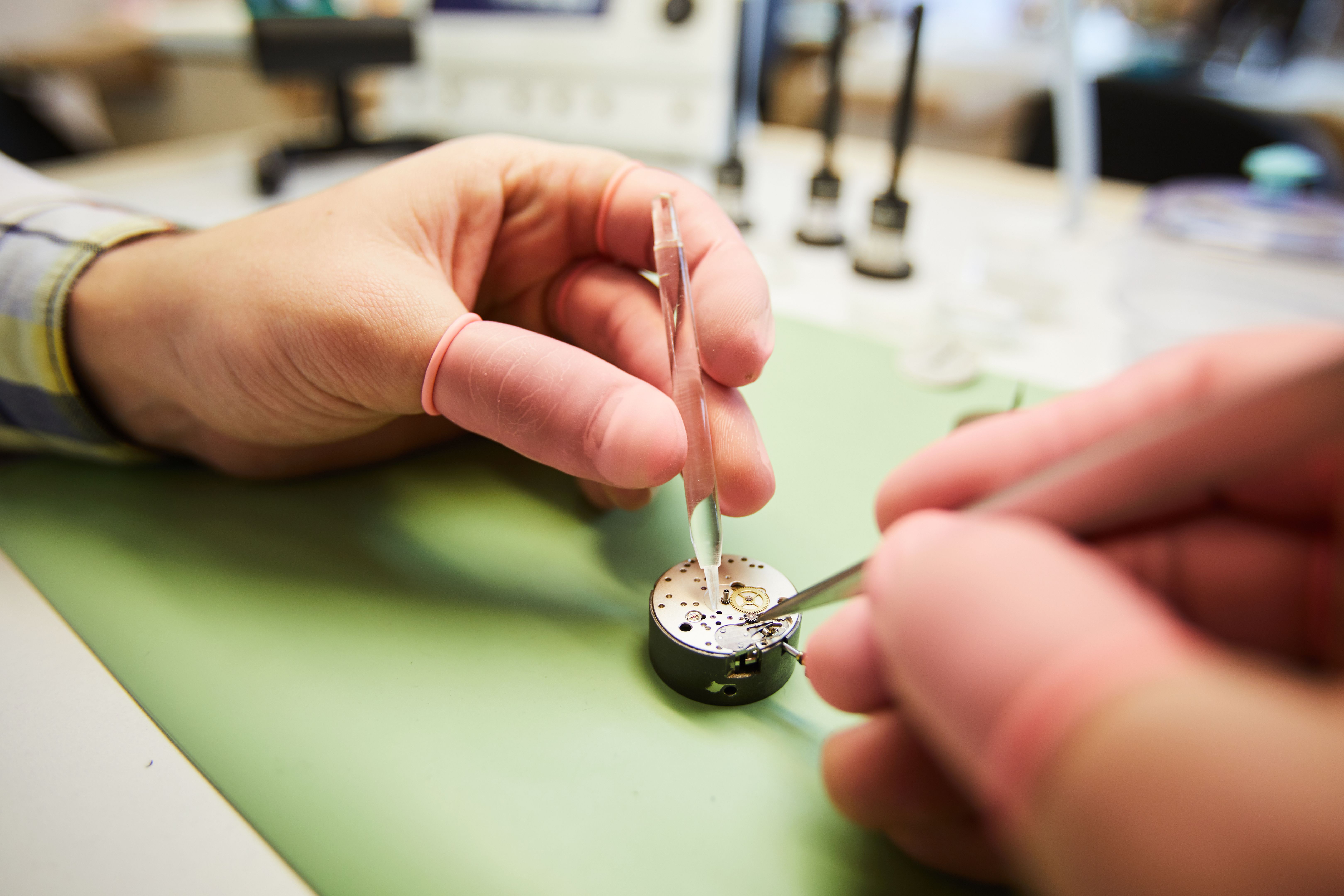
The 20th century brought about the quartz clock, a groundbreaking development in the world of horology. Quartz clocks utilized the piezoelectric properties of quartz crystals to maintain a precise frequency, vastly improving timekeeping accuracy.
These clocks were more affordable and reliable than their mechanical predecessors, quickly becoming the standard in homes and businesses. The quartz revolution paved the way for the digital age, setting the stage for the next evolution in clocks.
The Digital Era: From LCDs to Smart Displays
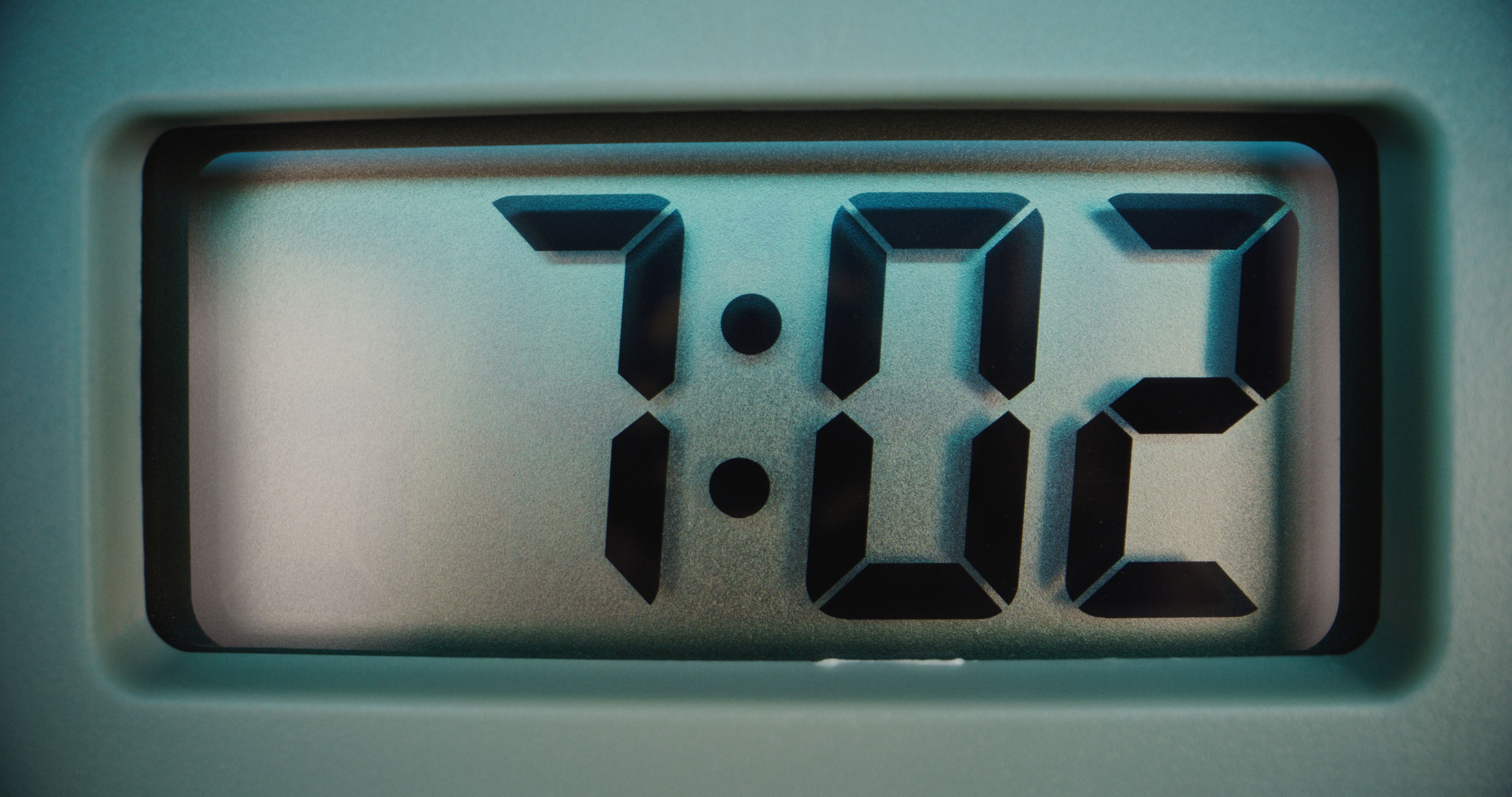
The transition to digital clocks marked a new chapter in the evolution of timekeeping. With the advent of LCD and LED displays, clocks became more versatile, incorporating additional features such as alarms, timers, and world time settings.
Today, digital displays are ubiquitous, found in everything from smartphones to kitchen appliances. These modern marvels offer unparalleled convenience and connectivity, allowing users to access accurate time information at the touch of a button.
The Future of Timekeeping
As technology continues to evolve, so too does the concept of world clocks. Emerging innovations like atomic clocks and smartwatches are pushing the boundaries of accuracy and functionality. Atomic clocks, for example, measure time using the vibrations of atoms, achieving unprecedented precision.
In a world where time is more valuable than ever, the evolution of world clocks reflects humanity's relentless pursuit of accuracy and efficiency. As we look to the future, it is fascinating to imagine how timekeeping will continue to evolve, shaping our lives in ways we have yet to envision.