Understanding the Mechanics: How Does an Online World Clock Work?


In today's fast-paced, interconnected world, keeping track of time across different time zones can be quite challenging. That's where online world clocks come into play, offering a convenient solution for both personal and professional use. But how exactly do these digital marvels work? Let's delve into the mechanics behind them.
Understanding Time Zones
Before we explore the workings of an online world clock, it's essential to understand time zones. The world is divided into 24 time zones, each representing a different region's standard time. This division helps synchronize activities globally, but can also lead to confusion if not managed correctly.
Online world clocks simplify this complexity by providing real-time updates on the current time in various regions. They achieve this through sophisticated algorithms and databases that house information on each time zone.

The Role of Internet Servers
One of the critical components of an online world clock is the internet servers that power them. These servers continuously fetch and update time data from atomic clocks, which are renowned for their precision. This ensures that the time displayed is always accurate, reflecting any changes such as daylight saving adjustments.
Atomic clocks use the vibrations of atoms, typically cesium or rubidium, to maintain time with extreme accuracy. By syncing with these atomic clocks, online world clocks offer users the correct local time anywhere in the world.
Software Algorithms and Databases
The heart of an online world clock lies in its software algorithms. These algorithms are designed to interpret data from time servers and present it in a user-friendly format. They take into account factors like daylight saving time and leap seconds, which can affect timekeeping.
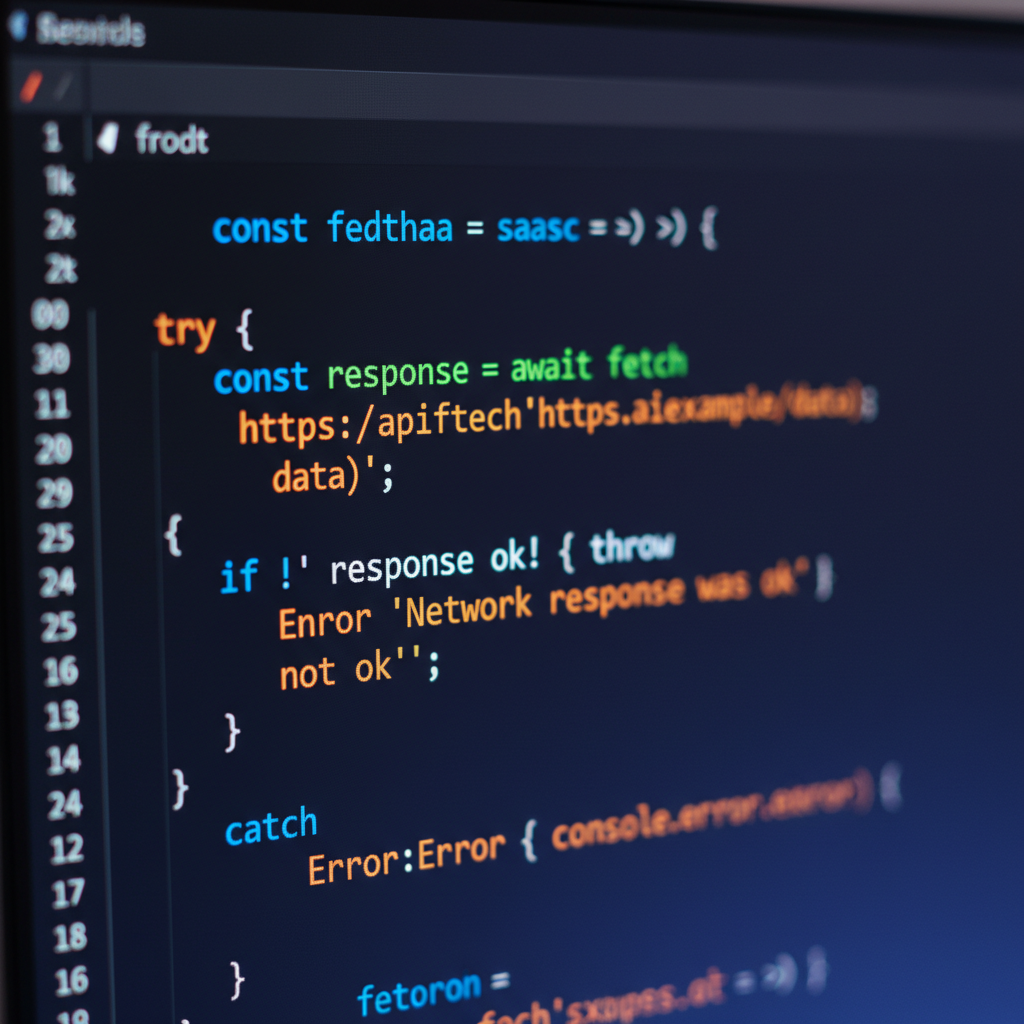
Additionally, databases play a crucial role. These databases store information about time zones, including their names, offsets from Coordinated Universal Time (UTC), and daylight saving rules. This data is constantly updated to reflect any geopolitical changes or policy shifts that might affect timekeeping.
User Interface and Experience
The user interface is where technology meets usability. An online world clock must present time data in a way that is easy to understand and navigate. This often involves interactive maps, digital clocks, or even widgets that can be embedded into websites or applications.
Customization options are frequently available, allowing users to select which time zones they want to track, making these tools highly versatile for both personal and business use.
Practical Applications
Online world clocks are invaluable tools for a variety of users. Businesses with global operations rely on them to schedule meetings and coordinate across different offices. Travelers use them to plan itineraries and avoid jet lag, while remote workers ensure they stay in sync with their teams.
Moreover, these clocks are often integrated into other applications, such as calendar apps, email clients, and project management tools, further enhancing their utility.
In conclusion, online world clocks are remarkable examples of how technology can simplify the complexities of our interconnected world. By understanding the mechanics behind them, users can fully appreciate their benefits and make the most of these essential tools.